What is the lifespan of my catfish species and how can I ensure their longevity?
To ensure the longevity of your catfish, it's crucial to understand their specific needs and provide a suitable environment. Here’s a comprehensive guide to help you maintain their health and extend their lifespan:
Goldfish Tank Maintenance: In just 3 Steps
Maintaining a goldfish tank requires regular attention and care to keep the fish healthy. By following ways, you can help ensure that your goldfish stay healthy and happy in their tank.
Pros and Cons of keeping a Ball Python as a Pet
In recent years, ball pythons have become very popular pet snakes because of their docility and ease of care. However, pet owners should be aware of the fact that owning a pet snake can be a very challenging task and there are many pros and cons to be considered before owning a pet snake.
How to Care for Baby Fish in an Aquarium : An Ultimate Guide
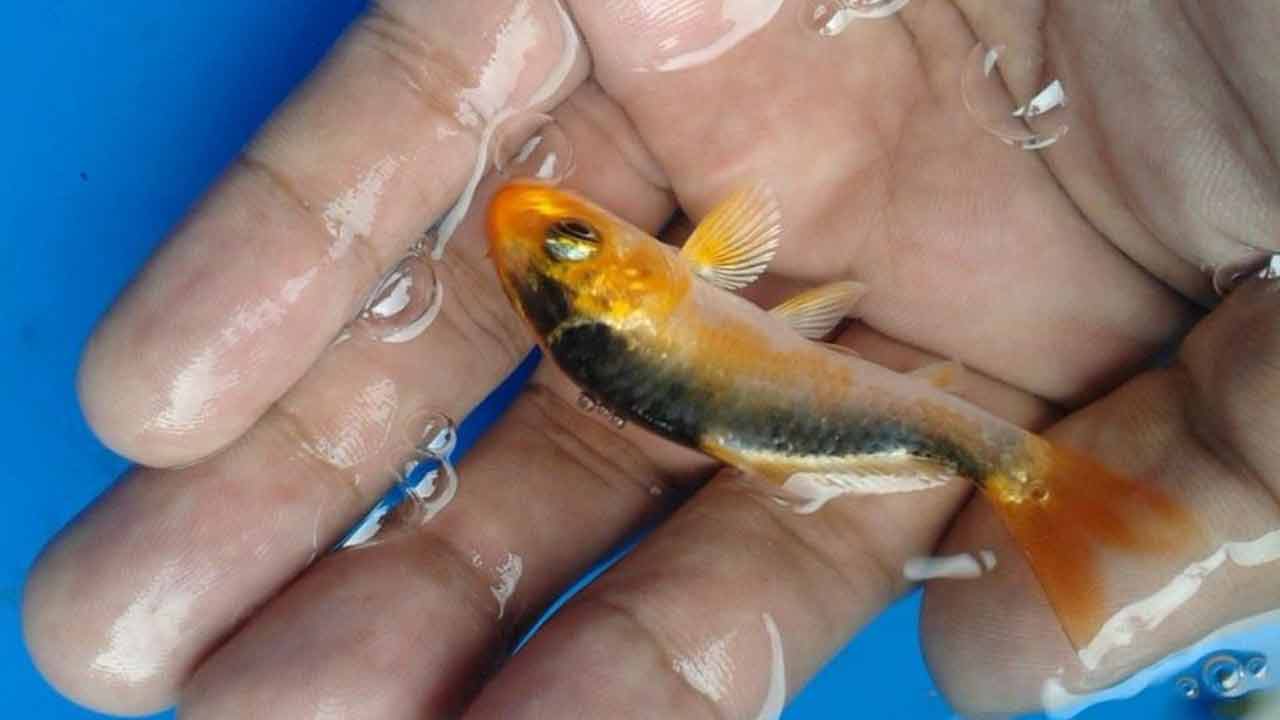
Rising young fish effectively requires a lot of hard effort, which can be managed a bit more via easy recommendations. Young fish are more likely to get infected and ill than adult fish, so make sure their tanks are kept correctly. Do not worry if you find baby fish in your aquarium! You can follow these steps to grow your baby fish.
What is the ideal water temperature for my catfish?
To keep your catfish happy and healthy, it's important to maintain the ideal water temperature. Here’s a comprehensive guide to help you manage it effectively:
How do I know if my Ball Python likes me?
Due to their docile nature, ball pythons are among the most popular snakes kept in captivity. As a result, many ball python owners are curious about how they can tell if their ball python pet loves or likes them.
How many days can Angelfish live without food?
Angelfish, or other aquarium fish, can survive for some time without food. However, the exact duration they can go without food depends on several factors, including their overall health, age, and the water temperature. In general healthy angelfish can survive for about 7 to 14 days without food.
Are Chameleons capable of dropping their tails?
The chameleon is one of the most popular pets in recent years. It is a fascinating creature known for its ability to change colors and blend into its surroundings. The best thing about them is that they are very easy to maintain, and that is why they are so popular as pets. Many pet owners would like to know whether or not they are capable of dropping their tails, as other species of lizards can do.
Is it possible for bearded dragons to swim?
Known for their unique appearance and interesting behavior as well as their ability to climb and navigate through various types of terrain, bearded dragons are a fascinating reptile. Many reptile enthusiasts would like to keep them as pets, but they wonder if these creatures are able to swim, so in this article you will get answers to all your questions so please read this article as thoroughly and as carefully as possible.
Are angelfish sensitive to water movement? (Setting up the Water Flow)
Yes, Angelfish are sensitive to water movement. They originate from calm waters in the Amazon basin so excessive water flow can stress them. Aim for a gentle flow rate in the range of 5-10 times the tank volume per hour. This can be achieved using a sponge filter or adjusting the settings on your aquarium filter. A proper balance of water movement will create a comfortable environment for your angelfish, mimicking their natural habitat.